St Johns Park garden maintenance checklist for tenants
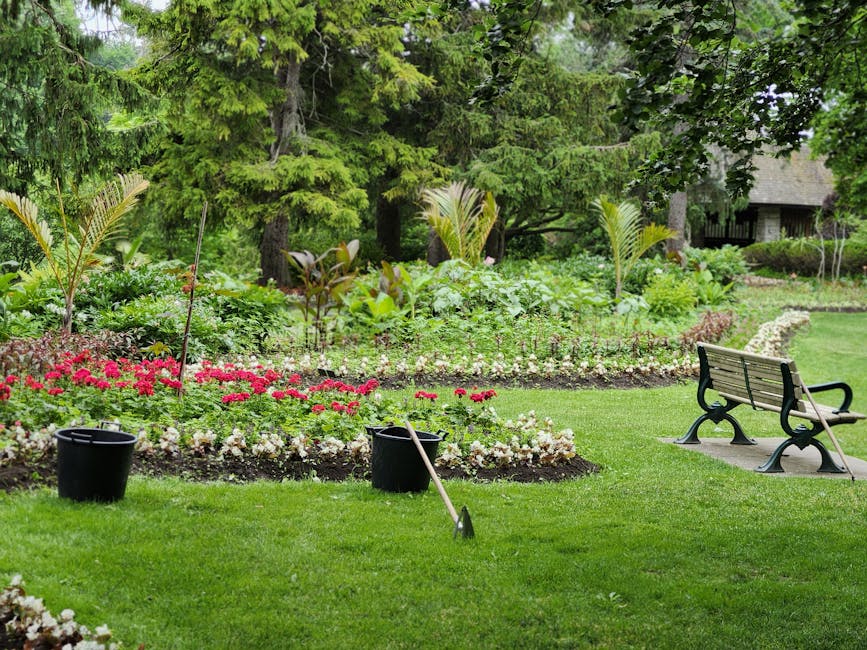
If you rent a home with a garden, the line between "a tidy outside space" and "that's going to cost you at check-out" can feel a bit blurry. This guide to the St Johns Park garden maintenance checklist for tenants is designed to make that clearer. It covers what usually falls to tenants, what landlords commonly expect, and how to keep the garden presentable without turning every weekend into a full-blown landscaping project. Truth be told, most disputes are avoidable with a simple routine and a little attention before problems snowball.
Whether you've inherited a slightly wild lawn, a hedge that has ideas of its own, or a patio that collects leaves like it's on purpose, you'll find practical steps here. And if your outdoor space needs a more substantial reset, it can help to understand the bigger picture of routine garden maintenance and the wider support available through professional gardening services.
Let's make the checklist genuinely usable, not just another list that gets saved and forgotten.
Why St Johns Park garden maintenance checklist for tenants Matters
A tenant garden often gets treated as "extra space", which sounds nice until the grass is knee-high and weeds have taken the hint that no one is watching. A clear maintenance checklist matters because outdoor areas are usually assessed differently from indoor rooms: signs of neglect are much more visible, and they tend to build up quietly. One wet week, a missed hedge trim, and a few unchecked borders can quickly turn into a bigger job.
In a rental setting, the garden is not just decoration. It affects how the property is presented, how usable it feels, and how smoothly inspections or end-of-tenancy conversations go. In practical terms, a modest routine can help you avoid avoidable deductions, keep neighbours happier, and make the home feel more settled. That last part matters more than people admit. A decent garden changes the whole mood of a place.
For tenants in St Johns Park and nearby parts of London, the challenge is often time rather than enthusiasm. Rain, wind, shade, compact spaces, and shared boundaries all play a role. A checklist gives you structure, so you are not starting from scratch every time you look outside and sigh.
Expert summary: A tenant garden does not need to be immaculate; it needs to be safe, tidy, and reasonably cared for. The best approach is consistent light maintenance, not heroic rescue work every few months.
How St Johns Park garden maintenance checklist for tenants Works
The checklist works as a repeatable routine. Instead of waiting until the garden looks "bad", you split the work into small jobs across the month. That might mean a weekly five-minute sweep, a fortnightly lawn check, and a seasonal tidy-up before growth accelerates in spring or wind and leaf fall arrive in autumn. Simple, but effective.
Most tenant garden maintenance falls into a few broad categories:
- Keeping pathways and patios clear so they remain safe and usable.
- Managing grass, hedges, and borders so the garden looks maintained rather than overgrown.
- Controlling weeds and unwanted growth before they spread.
- Watering, deadheading, and basic plant care where planting is part of the property.
- Checking fences, gates, and edging for minor issues that can become bigger ones.
If the space already feels a little overgrown, it is often worth starting with the basics and then building up. A useful starting point is the advice in starting a forgotten garden's comeback, especially if you are dealing with a neglected patch after moving in.
In rented homes, the big idea is this: do enough, consistently, that nothing becomes a surprise. That's the whole game, really.
Key Benefits and Practical Advantages
There are obvious benefits, and then there are the quieter ones you only notice once the space starts improving. A maintained garden is easier to use, less stressful to inspect, and less likely to turn into a weekend panic before a landlord visit. But there's more to it than appearances.
- Lower risk of disputes: When the garden is obviously cared for, there's less room for disagreement about tenant responsibility.
- Better everyday enjoyment: A clean patio or neat lawn makes even a small outdoor area feel more liveable.
- Less expensive in the long run: Small jobs are easier and cheaper than major recovery work.
- Safer conditions: Overgrown steps, slippery paving, and fallen branches are practical hazards, not just cosmetic issues.
- Better seasonal resilience: Gardens that are checked regularly cope better with storms, dry spells, and rapid growth.
There's also a confidence factor. If you know what needs doing, you stop guessing. That reduces the "I'll sort it next weekend" drift that can quietly last three months. Happens to the best of us.
For tenants with limited tools or limited time, a low-maintenance approach can be especially useful. The ideas in smart low-maintenance garden solutions on a budget are helpful if you want the garden to look good without constant effort.
Who This Is For and When It Makes Sense
This checklist is for tenants who want to keep their outdoor space in good shape without overcommitting. That includes first-time renters, families juggling school runs and work, flat sharers with a shared garden, and long-term tenants who want to avoid a messy end-of-tenancy clean-up.
It makes sense if any of these sound familiar:
- You have a private garden attached to your rented property.
- You are responsible for a small patio, courtyard, or lawn area.
- Your tenancy agreement mentions keeping the garden tidy or "in reasonable condition".
- You are preparing for an inspection, inventory check, or move-out review.
- The garden has been neglected a little and you want a realistic way back.
It also helps if you share the space. Shared gardens can become awkward very quickly if nobody is clear on who cuts the grass or clears leaves. A simple routine avoids that odd, passive-aggressive phase where everybody notices the mess and nobody touches it.
And if the garden includes taller hedges, awkward boundary growth, or overhanging branches, extra support can be sensible. Services like hedge trimming in St Johns or tree surgery may be more practical than trying to tackle everything with a handheld shear and a ladder you don't quite trust.
Step-by-Step Guidance
A good tenant garden routine works best when it is broken into small, repeatable tasks. Here is a sensible order to follow.
1. Start with a quick visual scan
Walk to the back door, step outside, and look at the space as if you were seeing it for the first time. What stands out immediately? Overgrown lawn, leaves in corners, weeds in paving, dead pots, broken edging, or a hedge creeping into the path? That first glance tells you where to begin.
2. Clear the obvious mess first
Remove litter, fallen branches, dead plant material, and anything sitting on the lawn or patio. This part is not glamorous, but it changes the whole feel of the garden straight away. A tidy surface makes the rest easier to judge.
3. Tackle the lawn or ground cover
If there is grass, keep it at a sensible height rather than waiting for it to get shaggy. If there is no lawn, check whether the ground is supposed to be soil, gravel, or planted area. One of the common mistakes tenants make is letting "low maintenance" become "no maintenance". If you need ideas for replacing difficult patches with easier planting, this article on ground cover plants for UK gardens is a useful read.
4. Weed borders, cracks, and edges
Weeds are the classic slow-burn problem. They begin in paving joints or along fence lines and suddenly the whole garden looks more tired than it should. Pull them early, and keep an eye on edges where new growth always seems to appear first. If ivy is part of the issue, the guidance in ivy removal techniques is worth a look because ivy behaves like it has a personal vendetta.
5. Check hedges, shrubs, and climbers
Trim back anything blocking paths, windows, or shared boundaries. Keep an eye on plants that grow aggressively or lean into neighbouring spaces. If you want a better feel for shaping and control, this guide to hedge trimming and hedge-trimming shapes can help you understand the difference between neat and butchered. Small distinction. Big outcome.
6. Clean patios, decking, and hard surfaces
Slip risk rises when patios collect algae, mud, or leaf mulch. Sweep regularly and wash down the surface when needed. If the garden includes timber underfoot, the condition of the boards matters just as much as the plants. For tougher surfaces, a dedicated patio cleaning approach can restore usability without guesswork, while decking services may be the right option if the boards are weathered or lifting.
7. Water, feed, and deadhead where needed
Plants in pots or beds may need a bit of care through dry spells. Deadheading flowers and removing yellowing leaves keeps things looking intentional rather than abandoned. If you've inherited a few decorative plants, the article on orchid care is a good example of how small routines prevent expensive losses.
8. Inspect fences, gates, and boundaries
Loose panels, wonky posts, or jammed gates are worth flagging early. Tenants are usually not expected to do structural repairs, but reporting problems promptly protects everyone. If a boundary issue is causing the garden to look untidy or exposed, fencing support may be relevant.
9. Make a final tidy pass
Put tools away, empty trimmings, and step back. If the space looks calm from the door, you are probably in good shape. This is where a lot of people stop too soon, but the last two minutes matter. Honestly, they do.
Expert Tips for Better Results
There are a few habits that separate a quick tidy from a genuinely manageable garden routine. Nothing fancy. Just the kind of things that save time later.
- Work little and often: Ten minutes a week beats a three-hour rescue session every month.
- Trim before things become awkward: A hedge that is slightly too long is easy to fix. One that has swallowed the path is a different story.
- Use containers strategically: Pots are easier to move, easier to manage, and much friendlier to tenants than permanent planting. See container gardening ideas for practical examples.
- Choose resilient planting: If the garden is shaded, windy, or hard to access, choose species that suit the conditions instead of fighting them.
- Plan around weather: In London, a dry week can be followed by sudden rain and a flush of growth. That rhythm matters.
- Take photos before and after: Useful if you need evidence for an inspection, and oddly satisfying too.
A small sensory clue often tells you it's time to act: the smell of damp leaves near the fence, the scrape of shoes on gritty mud, the little green fringe of weeds pushing through paving. Those are your early warning signs. Catch them early and the whole job stays lighter.
If wind exposure is part of the problem, the advice in crafting shelter for a windy garden can help you think more strategically about what to plant and what to protect.
Common Mistakes to Avoid
Tenant garden problems often come from good intentions mixed with delay. That's it. The most expensive mistakes are usually the most ordinary ones.
- Leaving the whole job until moving out: A final-day tidy is not the same as ongoing care.
- Cutting hedges too hard: Over-trimming can leave bare patches and make the garden look worse for weeks.
- Ignoring patios and paths: A garden can look "mostly fine" but still fail an inspection because the hard surfaces are dirty or slippery.
- Assuming everything is the landlord's problem: Some things are, some things aren't. A tenancy agreement matters here.
- Using the wrong plants for the space: A sun-loving border in full shade will always look a bit tragic.
- Letting climbing plants take over boundaries: Especially ivy. It grows like it has somewhere to be.
Another classic mistake is over-ordering plants or tools for a garden you barely have time to maintain. Better to choose a few hardy, easy-care options than create a mini jungle you resent every Saturday morning.
For families, there is one more subtle issue: using the garden as a storage zone for toys, bikes, and garden clutter. Fine in small doses, less fine when the whole thing looks like a yard sale. If the space is shared with children, this guide on building a fun and safe garden for kids is worth a read.
Tools, Resources and Recommendations
You do not need a shed full of equipment to keep a tenant garden under control. In fact, a smaller kit is often better because you actually use it. A sensible starter set includes a sturdy broom, hand fork, weeding tool, lawn shears, secateurs, gloves, and a bag or bin for green waste.
Useful gardening basics tend to be the same across most rental gardens, but the right choice depends on the space. For example:
- Secateurs: For deadheading, light pruning, and small stems.
- Shears: For hedge edges and a cleaner finish on soft growth.
- Rake or broom: For leaves, debris, and patio tidy-ups.
- Gloves: Essential if you are tackling thorny, prickly, or damp material.
- Sprayer or watering can: Useful for containers and small beds.
If you are starting from scratch, must-have tools for gardeners is a practical overview. For quick wins in a limited-space garden, vertical gardening techniques can help you use walls and fencing more intelligently.
And if the outside space has become too much to manage alone, it is perfectly reasonable to bring in help for specific tasks rather than hand over the whole project. That might mean a one-off cutback, lawn work, or deeper restoration work. The right choice is often the one that keeps the garden manageable after the job is done, not just nice for one afternoon.
Law, Compliance, Standards, or Best Practice
Tenancy arrangements vary, so the first rule is to check the agreement you signed. In the UK, garden duties are often described in broad terms such as keeping the outside area tidy, maintained, or free from excessive overgrowth. Those phrases may sound vague, but they are usually enough to create a practical expectation.
A few best-practice principles are worth keeping in mind:
- Keep records: A few photos before inspections can help if there is later disagreement.
- Report structural problems early: Broken fencing, major tree issues, drainage problems, and unsafe surfaces are typically not things tenants should quietly absorb.
- Do not make permanent changes without permission: This includes large planting schemes, removing mature plants, or altering boundaries.
- Be cautious with climbing growth near shared structures: Ivy and similar plants can create maintenance and boundary issues quickly.
- Use safe working practices: For larger pruning jobs, sensible access and proper equipment matter more than speed.
If you ever feel unsure about what is your responsibility and what is not, it is better to clarify than guess. That is especially true before moving out, when expectations tend to become more formal. And a small note from experience: a tidy garden plus clear communication solves far more than people expect.
For general service standards, safety expectations, and how a professional team approaches garden work, it can help to read pages like health and safety policy, insurance and safety, and terms and conditions.
Options, Methods, or Comparison Table
Tenants usually have three realistic ways to manage a garden: DIY routine care, occasional one-off help, or full professional maintenance. Each has a place. The right choice depends on time, skill, and how much the garden is asking of you, which some of them do with alarming confidence.
| Approach | Best for | Strengths | Limitations |
|---|---|---|---|
| DIY maintenance | Small gardens, light upkeep, tenants with regular free time | Low cost, flexible, helps you stay on top of issues early | Requires discipline; easy to let slip during busy periods |
| One-off tidy-up | End-of-tenancy prep, neglected gardens, seasonal resets | Fast improvement, useful for getting back to baseline | Not always enough for ongoing control |
| Regular professional help | Overgrown gardens, busy households, problem hedges or trees | Consistent results, less stress, better for difficult jobs | Higher ongoing cost than DIY |
If the garden needs more than a quick tidy, a structured garden maintenance plan can be more efficient than piecemeal fixes. For lawn-heavy gardens, lawn care or lawn mowing may be the most practical route.
Case Study or Real-World Example
Consider a typical London rental garden: a narrow lawn, a fence line with weeds, a patio at the back door, and one hedge that started small and then, over one mild spring, became unreasonably ambitious. Nothing dramatic. Just enough to look untidy and a little neglected.
The tenant's first move was not to do everything in one go. That would have ended badly. Instead, they split the space into zones:
- Front of garden: sweeping and weed removal
- Lawn: cut, edges neatened, clippings cleared
- Patio: washed and made safe
- Boundary hedge: lightly trimmed back from the path
- Fence line: cleared of climbing growth and debris
They then set a simple fortnightly routine. The whole garden became easier to live with, and the pressure before inspection dropped a lot. Not because it looked like a show garden, but because it looked cared for. That distinction matters.
If the problem garden is more than maintenance and begins to feel like a design issue, there is often a middle ground. A clean, practical layout and a few durable plants can transform a rental space without making it high-maintenance. The ideas in backyard garden transformation ideas and seating area tips are useful for that stage.
Practical Checklist
Use this checklist as a simple monthly reference. If you prefer, print it or save it in your notes app. Plain and boring is fine here. Boring keeps you out of trouble.
- Walk the garden and note anything overgrown, damaged, or messy.
- Sweep patios, paths, and door thresholds.
- Remove litter, fallen leaves, and dead plant material.
- Cut the lawn if growth has moved beyond tidy length.
- Trim hedges or shrubs that block access or look untidy.
- Pull weeds from borders, paving, and fence lines.
- Deadhead flowers and remove yellow or diseased leaves.
- Check pots and containers for dryness, breakage, or overcrowding.
- Inspect fences, gates, and any obvious boundary issues.
- Look for slippery patches, loose slabs, or trip hazards.
- Clear any build-up around drains or water channels.
- Photograph the garden if an inspection or move-out is coming up.
Seasonal add-ons are worth remembering too:
- Spring: refresh beds, cut back winter damage, and tackle early weeds.
- Summer: water containers, mow regularly, and keep growth in check.
- Autumn: clear leaves, protect pots, and reduce slippery build-up.
- Winter: inspect for storm damage and avoid heavy pruning in poor conditions unless appropriate.
If weather is doing its usual British thing and turning from mild to miserable, the advice in tips for a resilient garden in severe weather is especially handy. For winter-specific care, winter plant safety guidance is also worth keeping close.
Conclusion
A good tenant garden is not about perfection. It is about staying ahead of avoidable problems, keeping the space safe and presentable, and showing that the outside area is being respected. The best St Johns Park garden maintenance checklist for tenants is the one you will actually use: simple, regular, and realistic for everyday life.
Start with the visible jobs, keep the routine small, and escalate only when the garden genuinely needs more help. That approach saves time, reduces stress, and makes inspections far less nerve-racking. And if you ever feel the space has got beyond a quick tidy, there is no shame in bringing in support. Sometimes that is the sensible option, not the dramatic one.
Get a free quote today and see how much you can save.
Looking after a rented garden is one of those quiet wins that pays off slowly. You notice it when you step outside in the morning and the space just feels easier to live with.
Frequently Asked Questions
What should tenants maintain in a rented garden?
Tenants are usually expected to keep the garden tidy, manage basic mowing or sweeping, remove weeds, and prevent obvious neglect. Exact duties depend on the tenancy agreement, so always check the wording rather than guessing.
How often should a tenant garden be maintained?
For most small gardens, a weekly or fortnightly routine is enough. Grass and fast-growing hedges may need attention more often during spring and summer, while autumn usually calls for leaf clearing and surface checks.
Do tenants have to trim hedges?
If the tenancy agreement assigns routine garden upkeep to the tenant, then light hedge trimming may be expected. Large, high, or difficult hedges are different and may be better handled professionally, especially if access is awkward.
Who is responsible for tree work in a rental garden?
Minor tidying around trees may be manageable for a tenant, but larger pruning, overhanging branches, or structural tree concerns are typically not a DIY job. Those issues should usually be reported to the landlord or managing agent.
Can a tenant be charged for an untidy garden at the end of a tenancy?
Yes, potentially, if the garden is left in worse condition than at the start and the tenancy terms make garden care the tenant's responsibility. Good records, regular photos, and steady maintenance help reduce that risk.
What is the easiest way to keep a rental garden tidy?
Work in small jobs: sweep, weed, mow, and trim before growth gets out of hand. A ten-minute tidy each week usually beats a big rescue job at the end of the month. Simple, but it works.
What if the garden was already neglected when I moved in?
Take dated photos, note the condition in writing if possible, and start with the most visible hazards or overgrowth. If the space needs a reset, one-off help may be the quickest route back to a manageable level.
Are tenants allowed to change the garden layout?
Usually not without permission. Permanent changes, major planting, removal of mature shrubs, or altering boundaries should be checked with the landlord first. Containers are a safer choice if you want flexibility.
How do I deal with weeds in paving and borders?
Remove them early and consistently. Small weeds are easy; established ones can spread fast and make the whole area look uncared for. A regular sweep and spot-weeding routine is far more effective than occasional heavy effort.
Should I hire a gardener for my rental property?
If the space is large, overgrown, or time is tight, yes, it can be a sensible decision. A one-off tidy-up or regular maintenance can be cheaper than dealing with damage, tenant stress, or end-of-tenancy issues later on.
What tools do I actually need as a tenant?
Most tenants only need a broom, gloves, secateurs, lawn shears, a weeding tool, and something for waste removal. If you're only maintaining a small patio or courtyard, you may need even less.
Where should I get help if the garden feels too much to handle?
Start by checking whether the issue is a one-off tidy, a lawn problem, or something structural like hedges, fences, or trees. If the space needs more than a basic reset, professional help can keep things manageable and prevent the same problem coming back.