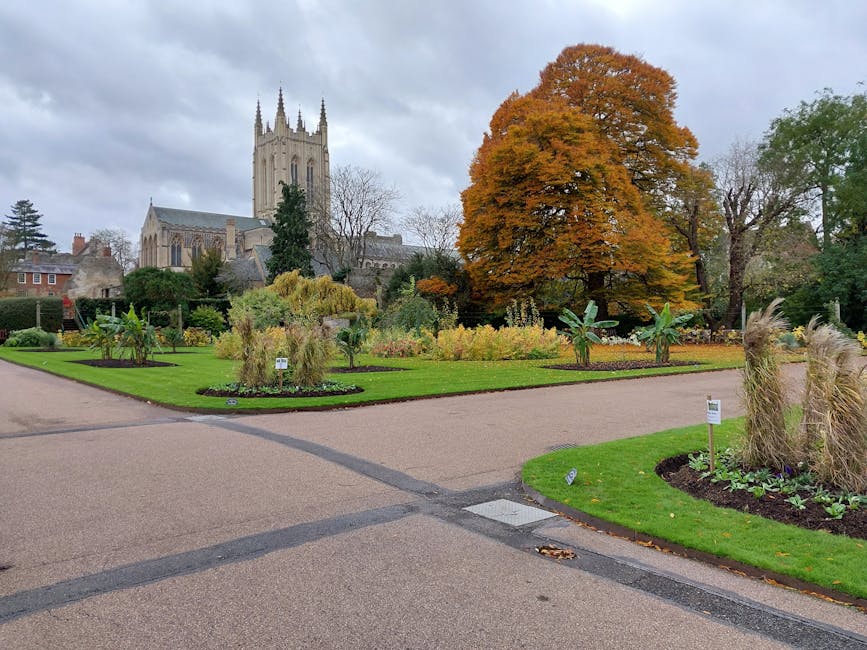
Gardeners St Johns Church Road Front Garden Guide
If your front garden feels more like an awkward strip of ground than a proper welcome to your home, you are not alone. Small spaces, patchy lawns, thirsty borders, awkward shade, and the occasional runaway hedge can make the whole thing feel harder than it should. This Gardeners St Johns Church Road front garden guide brings the job back down to earth: what to plant, how to shape the space, how to keep it tidy, and when it makes sense to call in help. A front garden does more than look pretty. It sets the tone before anyone even reaches the door.
Done well, it can soften brickwork, frame a path, reduce weeding, and make the property feel cared for without turning you into a full-time gardener. Truth be told, that balance is what most people want. A good front garden should look considered on a wet Tuesday morning, not only after three hours of fussing on a sunny Saturday.
Table of Contents
- Why this guide matters
- How the front garden approach works
- Key benefits and practical advantages
- Who this is for and when it makes sense
- Step-by-step guidance
- Expert tips for better results
- Common mistakes to avoid
- Tools, resources and recommendations
- Law, compliance, standards and best practice
- Options, methods, and comparison table
- Case study or real-world example
- Practical checklist
- Conclusion
- Frequently asked questions
Why Gardeners St Johns Church Road front garden guide Matters
A front garden is a public-facing space, so every decision carries a bit more weight than in the back. People see it from the street. Neighbours notice it. Delivery drivers, guests, and passers-by all get an impression in a matter of seconds. That does not mean it has to be showy. It means it needs to be intentional.
For homes on or around Church Road in St Johns, front gardens often have a few common characteristics: compact footprints, boundary lines close to paths, mixed sun and shade, and planting areas that must work hard through the year. In that kind of setting, loose, experimental planting can quickly look messy. A more structured plan usually wins. Think repeated planting, clean edges, and materials that are easy to keep in check.
This is also where practical value comes in. A front garden can improve privacy, reduce dust and debris near the house, and guide movement from the pavement to the front door. If you have ever clipped a hedge in a hurry before guests arrive, you will know the difference between a garden that is managed and one that has simply been abandoned. The latter has a habit of growing louder than the house itself.
And then there is the long-term side. A well-designed front garden can be easier to maintain, more resilient in variable weather, and cheaper to look after over time. That is especially useful if you want curb appeal without endless weekend chores. If your space is overgrown or structurally weak, a fresh start can help. A sensible first move is often to reset the basics, much like the approach outlined in starting a forgotten garden's comeback.
How Gardeners St Johns Church Road front garden guide Works
The simplest way to think about front garden design is as a sequence: assess the space, define its purpose, choose a structure, then layer in plants and maintenance habits that support the look you want.
In practice, that means you start with the bones of the garden. Where does the eye land first? Is the path too narrow? Does the hedge block light? Is the lawn even worth keeping, or would something more robust be better? These questions shape everything else. A front garden without a clear structure tends to drift. It can look fine for a season, then suddenly feel tired and cluttered.
Once the layout is clear, you choose planting for function as much as appearance. Some front gardens need evergreen presence all year. Others need only a low-maintenance border with seasonal interest. Many need both. Ground cover can be a quiet hero here, especially in places where weeds keep returning or bare soil keeps washing away. For ideas, see ground cover plants that improve UK garden appeal.
After that, maintenance becomes part of the design. A front garden should not fight you every month. If it does, the plan is wrong. That is often where professional support makes a real difference, whether that means regular garden maintenance, specialist hedge trimming in St Johns, or broader gardening services to keep the whole space on track.
Key Benefits and Practical Advantages
A front garden done properly gives you more than a nice first impression. The useful benefits are broader and, honestly, a bit more satisfying than that.
- Better curb appeal: A clean, balanced front garden makes the property feel well cared for immediately.
- Lower maintenance: The right layout reduces frantic pruning, awkward mowing, and constant weeding.
- Improved privacy: Carefully placed hedges or screening plants can soften the view from the street without feeling closed in.
- Stronger year-round structure: Evergreens, clipped shapes, and well-chosen hard landscaping hold the garden together in winter.
- Safer access: Clear paths, sensible planting, and tidy edges make entrances easier to use.
- More resilience: Front gardens with healthy soil, mulch, and proper plant selection cope better with dry spells, wind, and heavy rain.
A very ordinary example: if you swap a patchy front lawn for a layered border with low shrubs, one or two upright structural plants, and a neat edge, the garden can instantly look calmer. Not flashy. Calmer. That matters more than people think.
There is also a budget angle. A front garden with good structure often costs less to maintain than one that relies on constant rescue work. You are not forever replacing plants that hate their location. You are not re-cutting runaway growth every fortnight. Small win, but a real one.
For gardens where money is tight or time is limited, it can help to look at smart low-maintenance garden solutions on a budget. That approach suits front spaces particularly well.
Who This Is For and When It Makes Sense
This guide is useful if you are any of the following:
- a homeowner who wants a smarter-looking frontage without endless upkeep
- someone preparing a property for sale or rental presentation
- an older homeowner who needs easier access and less physical effort
- a busy family wanting a tidy, safe, good-looking entrance
- someone dealing with overgrown shrubs, ivy, weeds, or a tired lawn
- anyone who simply feels the front of the house is letting the rest down
It also makes sense if your current front garden has one or more of these problems: poor drainage, shallow soil, heavy shade, strong wind exposure, too much pavement or hardstanding, or plants that look good in May and dreadful by October. That last one is annoyingly common.
Sometimes the right answer is not a full redesign. Sometimes it is simply a sharper edge, a better hedge shape, and one or two reliable plants that can do the heavy lifting. Other times, especially where the garden has become neglected, you may need a bigger reset before the details matter. If ivy has taken over walls or borders, for example, you may want to start with lasting ivy removal techniques before replanting.
Step-by-Step Guidance
1. Assess the space honestly
Start by walking the space at different times of day. Morning light can be very different from late afternoon shade. Notice where water collects after rain, which areas dry out fast, and which plants are already struggling. Do not plan around the ideal version of the garden; plan around the real one.
2. Decide the main job of the front garden
Ask what it needs to do first. Is it mostly decorative? Does it need privacy? Is it a route to the door that must remain clear? Do you want flowers, structure, wildlife interest, or simple tidiness? A front garden trying to do everything at once often ends up doing none of it well.
3. Clear, cut back, and remove what is not working
Cutting back overgrowth can immediately reveal the space. Sometimes that is all you need to see the layout clearly. Remove dead plants, weeds with persistent roots, and anything that blocks sight lines or access. If hedges are part of the picture, precise shaping helps a lot. It is worth understanding the difference between a quick trim and proper maintenance, as covered in beautiful hedge trimming.
4. Build structure before adding detail
Structure comes from repetition and shape. Use one main hedge, a repeated set of shrubs, a low wall, stepping stones, or a clipped edge. In smaller front gardens, structure is often more important than planting volume. A strong outline makes the garden feel purposeful even in winter.
5. Choose plants that fit the conditions
This is where many front gardens go wrong. A plant can be lovely and still be wrong for the site. In windy, exposed spots, choose tough plants with flexible stems. In shade, go for shade-tolerant ground cover or evergreen climbers. In tight urban spaces, containers can be a sensible solution. If the garden is difficult, container gardening can give you colour and control without committing to a full border.
6. Add the finishing layers
Mulch, edging, lighting, and clean path surfaces all make the design read more clearly. These are not extras. They are part of how a front garden looks finished rather than half-done. A simple border edge and a tidy path can do more than another tray of annuals ever will.
7. Set a maintenance rhythm
Choose a realistic routine. For some front gardens, that might be a quick tidy every two weeks and a longer seasonal cut-back. For others, a monthly visit is enough if planting is chosen well. If you want help keeping that rhythm, a regular plan through lawn care or lawn mowing can remove a lot of the pressure.
Expert Tips for Better Results
A few practical tips tend to make the biggest difference. Not the glamorous stuff. The steady stuff.
- Repeat plants in groups: Three or five of the same plant usually looks better than a random mix of one-offs.
- Use evergreen anchors: Even one or two evergreen shrubs can keep the front garden from looking empty in winter.
- Keep the line of movement obvious: The eye should know how to get from gate to door without confusion.
- Mix softness with discipline: A clipped hedge with softer planting beneath often looks more polished than a fully rigid scheme.
- Think in all seasons: Ask what the garden will look like in January, not only in June.
- Use weeds as a design clue: Repeated weeds often point to bare soil, compaction, or neglected edging. Fix the cause, not only the symptom.
One useful habit is to stand across the road and look back. You will see balance problems quickly. A shrub that feels small from inside the garden may dominate the frontage from the pavement. Garden design can be a little rude like that.
If your garden is exposed to strong wind, it may need sheltered planting or physical protection. There is a sensible overview in crafting shelter for windy gardens, and it is worth thinking about before you spend money on delicate plants that will simply struggle.
For boundaries, matching the shape and scale of hedges to the property is a surprisingly effective trick. A good edge can make an ordinary garden feel intentional, which is half the battle. The ideas in hedge trimming shapes are especially helpful if you want structure without a formal look.
Common Mistakes to Avoid
Most front garden problems come from a handful of repeated errors. The good news? They are very fixable.
- Overplanting: Too many plants create clutter, shade each other out, and quickly look untidy.
- Choosing style over suitability: A beautiful plant that hates the site is a future problem, not a design asset.
- Ignoring winter appearance: A front garden that depends only on summer flowers can feel empty for half the year.
- Letting hedges grow without shape: A hedge without a plan becomes a wall of green blur, and not in a good way.
- Skipping maintenance edges: Paths and borders lose definition faster than people expect.
- Using fragile plants in exposed spots: Wind, road dust, and frost can punish the wrong choices.
- Removing too much at once without a plan: Clearing is helpful, but you still need a direction before replanting.
There is another common one: people keep a lawn because it feels traditional, even when the space is too small, too shaded, or too awkward for turf to thrive. Sometimes a narrow strip of lawn just becomes a maintenance trap. If that sounds familiar, it may be worth rethinking the layout entirely and exploring broader landscaping options.
Tools, Resources and Recommendations
You do not need a shed full of fancy kit, but a few tools make front garden work much easier. Good tools reduce the urge to rush, and rushing is how edges go wonky. Happens to the best of us.
- Secateurs: for small pruning and deadheading
- Hand shears or hedge trimmers: for shaping hedges and tidy lines
- Spade and fork: for reworking borders and improving soil
- Weed removal tools: for roots and stubborn growth
- Wheelbarrow or trug: for clearing cuttings, soil, and mulch
- Gloves and eye protection: basic but worth it every time
For a broader overview of practical kit, must-have tools for gardeners is a useful companion read.
Resources worth keeping in mind include basic seasonal planting knowledge, local weather awareness, and a clear maintenance plan. If you want plant choices that stay attractive with less effort, the blog on winter garden plant safety is especially helpful for protecting the front of the house during colder months.
For front gardens that need a greener boundary, privacy screening, or height without bulk, you may also find fast-growing hedges for privacy useful. Used carefully, they can define a frontage without making it feel boxed in.
Law, Compliance, Standards, or Best Practice
Front gardens do not usually involve heavy regulation, but there are still sensible UK best practices to follow. If your work affects pavements, boundaries, drainage, or visibility near the road, be careful not to create hazards. Keep entrances clear, avoid overhanging growth that restricts access, and make sure any hedge or tree work does not interfere with sight lines or public paths.
If you are pruning near the boundary, it is always wise to check ownership and speak to neighbours where needed. This is less about paperwork and more about keeping things civil. A tidy conversation at the start can prevent a surprisingly awkward chat later on over a hedge that has grown one side too far. Also, if tree work is involved, it may need more specialist handling than a simple trim, especially where roots, height, or proximity to structures are concerned. That is where tree surgery can be the safer option.
From a general best-practice point of view, make sure any contractor follows suitable safety procedures, works with insurance in place, and uses secure payment methods. You can review related information on insurance and safety, health and safety policy, and payment and security. If you ever need clarity on terms or complaints handling, those pages are worth a look too.
One more practical point: if a front garden has wildlife value, dog access, or children nearby, plant choice and product use should be a bit more thoughtful. For example, a dog-safe planting approach can avoid unpleasant surprises, and there is a helpful overview in dog-safe gardening ideas.
Options, Methods, or Comparison Table
Front gardens usually fall into one of a few broad approaches. None is automatically best. It depends on your space, time, and taste.
| Approach | Best for | Pros | Trade-offs |
|---|---|---|---|
| Formal clipped front garden | Tidy streets, traditional homes, neat presentation | Strong structure, predictable maintenance, clean appearance | Needs regular trimming and careful shaping |
| Low-maintenance mixed border | Busy households, smaller budgets, easier upkeep | More forgiving, softer look, good seasonal interest | Can look messy if plants are not spaced well |
| Evergreen-led layout | Year-round presence, windy or exposed gardens | Reliable in winter, strong framework, less bare soil | Needs careful plant choice to avoid monotony |
| Container-based frontage | Very small spaces, paved areas, rental properties | Flexible, easier to change, great for awkward light conditions | Requires watering and can dry out quickly |
| Landscaped rebuild | Overgrown or dated front gardens needing a full reset | Best for long-term improvement, solves structural issues | Higher upfront effort and planning |
If you are unsure which route suits your home, start by asking a simple question: do you want the garden to be mainly decorative, mainly practical, or a proper mix of both? That answer usually narrows it down quickly. And if the space needs more than plants, it may be time to think about paths, borders, and surfaces as well. A little patio cleaning can also make the whole frontage feel sharper than you would expect.
Case Study or Real-World Example
Here is a realistic front-garden scenario. A small St Johns frontage has a narrow path, an ageing hedge, a patchy lawn strip, and a border that has been overtaken by weeds and self-seeded growth. From the street, it looks tired. Not horrible, just tired. The sort of tired that makes people keep walking.
The fix does not start with plants. It starts with clearing. The hedge is reduced to a clear shape, dead material is removed, and the border is stripped back enough to reveal the actual footprint. Then the lawn strip is reassessed. In this case, keeping turf would have meant constant edging and patch repair, so the owner chooses a simpler design: a low evergreen backbone, two repeated flowering shrubs, mulch to suppress weeds, and a couple of containers near the door for seasonal colour.
The result is not dramatic in the flashy sense. It is better than that. The entrance feels open, the path is obvious, and the space stays neat with short monthly attention rather than constant rescue work. In our experience, that is what most front-garden improvements should do. They should make life easier, not merely prettier.
There was also one awkward ivy section on a side wall, which needed proper removal before anything new could be planted nearby. That kind of job is best tackled deliberately, not with a hasty pull and a hope for the best. You can see why many homeowners start with careful ivy removal methods before moving on.
Practical Checklist
Use this checklist before you begin, or before you hand the project over to a professional.
- Check what the front garden must do: look good, stay private, guide access, or all three
- Measure the space and note sun, shade, wind, and drainage
- Remove dead plants, obvious weeds, and any overgrowth blocking the layout
- Decide whether the existing lawn is worth keeping
- Choose a clear structure: hedge, border, path edge, containers, or hard landscaping
- Select plants suited to the real conditions, not just the look you want on paper
- Include at least one evergreen element for winter structure
- Leave room for maintenance access and future growth
- Make paths, gates, and door approaches easy to see and use
- Set a routine for trimming, weeding, watering, and seasonal tidy-ups
- Review whether any work near boundaries, walls, or trees needs extra care
- Ask for help early if the space is overgrown, unsafe, or structurally confused
If you want a broader beginner-friendly refresher before tackling a frontage, 9 essential tips for beginners can help ground the basics.
Conclusion
A front garden does not need to be complicated to be effective. It needs shape, restraint, and planting that suits the site. Get those parts right and the whole entrance improves quickly. The path feels clearer. The house feels more cared for. Even the street view changes a bit, in a good way.
The best results usually come from thinking like a practical gardener first and a designer second. Start with the structure. Reduce what is not working. Use plants that earn their place. Keep maintenance realistic. That is the heart of this Gardeners St Johns Church Road front garden guide, really. Not perfection. Just a frontage that works hard, looks good, and does not ask for constant drama.
If your front garden is overdue for a refresh, or you would simply like help turning a difficult area into something calmer and more welcoming, it is worth speaking with a local team that understands both presentation and day-to-day upkeep.
Get a free quote today and see how much you can save.
Sometimes the smallest space at the front of a home has the biggest effect. Get that right, and the rest of the house seems to breathe a little easier.
Frequently Asked Questions
What should a front garden in St Johns focus on first?
First, focus on structure and access. A clear path, sensible planting, and a tidy edge usually matter more than adding lots of plants. Once the layout works, you can layer in seasonal colour and softer features.
Is a lawn a good idea for a small front garden?
Sometimes, but not always. Small lawns can be neat, yet they often need frequent mowing and edging. If the area is shaded, narrow, or awkwardly shaped, borders, containers, or ground cover may be easier to manage.
What are the best low-maintenance plants for a front garden?
Low-maintenance choices usually include evergreen shrubs, reliable ground cover, and tougher perennials suited to the site. The best plant is the one that matches your light, soil, and exposure, not just the one that looks nice in the garden centre.
How often should a front hedge be trimmed?
That depends on the hedge type and how formal you want it to look. Many front hedges benefit from regular trimming during the growing season, while slower-growing varieties may need less frequent attention. Shape matters as much as timing.
Can a front garden improve privacy without making the house look closed off?
Yes. The trick is to use layered planting or a moderately sized hedge rather than a solid barrier. You want screening, not a fortress. Slightly lower planting near the door and taller elements to the sides often works well.
What should I do if my front garden is full of weeds?
Clear the weeds, but also check why they keep returning. Bare soil, compacted ground, and weak edging are common causes. Mulch, better planting density, and stronger borders usually help more than repeated surface-level removal.
Do I need professional help for a front garden redesign?
Not always. Small tidy-ups can be DIY-friendly. But if the space is overgrown, structurally awkward, or involves hedges, trees, or boundary work, professional help can save time and prevent costly mistakes.
What is the easiest way to make a front garden look better fast?
Cut back overgrowth, sharpen the edges, clear the path, and remove anything dead or overcrowding the space. Those simple steps usually have a bigger visual impact than adding more plants straight away. A bit boring, maybe, but effective.
How do I choose plants for a windy front garden?
Pick sturdy plants with flexible stems, and avoid delicate varieties that will struggle. Windproofing is partly about plant choice and partly about layout, so shelter from walls, hedging, or layered planting can make a real difference.
Can containers work in a front garden?
Absolutely. Containers are especially useful where the soil is poor, the space is paved, or you want seasonal variety without committing to a full border. Just remember they dry out faster and need regular watering and feeding.
What local services are most useful for a front garden?
Depending on the space, the most useful support is often a mix of garden maintenance, hedge trimming, lawn care, and broader landscaping. That combination handles both presentation and upkeep.
How do I get started if my front garden feels overwhelming?
Start by clearing what is clearly wrong: dead material, weeds, and excess growth. Then decide the garden's main purpose and build from there. If needed, use a simple two-stage plan: tidy first, redesign second. That way the job feels manageable rather than endless.
Where can I ask about pricing or arrange a visit?
For that, the simplest next step is to use the site's contact options and request a tailored quote. Every frontage is different, so a quick conversation usually gives a much better estimate than guessing from the street.